Centrifugal Fan Product Introduction
Centrifugal Fan Product Introduction
In the complex web of industrial operations, commercial infrastructure, and even everyday household systems, centrifugal fans stand as unsung workhorses, quietly powering essential processes that often go unnoticed. Unlike axial fans, which move air parallel to their rotating shafts, centrifugal fans operate on a distinct principle—utilizing centrifugal force to accelerate air radially outward, creating pressure differences that drive air flow.
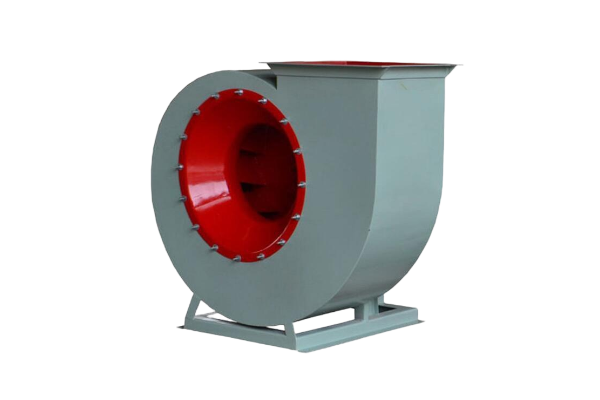
At the core of a centrifugal fan’s functionality lies its ability to generate consistent, high-pressure air flow—a feature that makes it particularly valuable in industrial settings. In manufacturing facilities, for instance, many production processes generate excessive heat, toxic fumes, or airborne particles that can compromise both equipment performance and worker health. Centrifugal fans address this by extracting contaminants and hot air from workspaces, replacing it with fresh, filtered air. In automotive assembly plants, for example, welding operations release harmful gases like ozone and metal oxides. Centrifugal fans installed in local exhaust ventilation (LEV) systems capture these pollutants at the source, preventing their dispersion and ensuring compliance with occupational health standards. Similarly, in plastic molding facilities, where high-temperature machines produce volatile organic compounds (VOCs), centrifugal fans work in tandem with scrubbers to remove these chemicals, protecting both the environment and employees. Beyond air purification, these fans also play a key role in cooling industrial machinery.
In the realm of commercial and residential buildings, centrifugal fans are equally essential, shaping indoor air quality (IAQ) and thermal comfort. Heating, ventilation, and air conditioning (HVAC) systems rely heavily on centrifugal fans to circulate conditioned air throughout spaces. Unlike axial fans, which struggle with high static pressure (resistance from ductwork), centrifugal fans excel in pushing air through long, complex duct systems—making them ideal for large office buildings, shopping malls, and apartment complexes. For example, in a high-rise office tower, centrifugal fans installed in rooftop HVAC units draw in outside air, filter it, heat or cool it, and then distribute it through a network of ducts to each floor. This not only ensures consistent temperature control but also dilutes indoor pollutants like carbon dioxide and volatile organic compounds, promoting healthier indoor environments. In addition to HVAC systems, centrifugal fans are used in specialized applications such as kitchen exhaust hoods. Commercial kitchens produce large amounts of smoke, grease, and heat, which can pose fire hazards and affect air quality. Centrifugal fans in exhaust hoods generate sufficient suction to remove these contaminants, directing them through grease filters and out of the building—protecting both kitchen staff and the building’s structure.
The energy sector is another area where centrifugal fans play a pivotal role, supporting critical processes in power generation and renewable energy production. In coal-fired power plants, for example, centrifugal fans are used in the combustion process to supply primary and secondary air to boilers. Primary air is blown through coal pulverizers to dry and transport coal dust to the boiler, while secondary air is added to the combustion chamber to ensure complete fuel burning. This not only maximizes energy efficiency but also reduces emissions of harmful pollutants like carbon monoxide. Centrifugal fans are also essential in nuclear power plants, where they are used to cool reactor cores and containment structures. In the event of an emergency, backup centrifugal fans ensure that cooling systems continue to operate, preventing overheating and potential meltdowns. Beyond traditional power generation, centrifugal fans are increasingly being integrated into renewable energy systems such as biomass power plants and waste-to-energy facilities. In biomass plants, fans transport biomass fuel (such as wood chips or agricultural waste) to combustion chambers and remove ash and flue gases—supporting sustainable energy production. In waste-to-energy facilities, centrifugal fans help control the airflow in incinerators, ensuring efficient burning of waste and reducing the release of toxic emissions.
The versatility of centrifugal fans extends to specialized industries such as healthcare, food processing, and electronics manufacturing, where strict environmental controls are required. In hospitals, for instance, centrifugal fans are used in cleanrooms, operating rooms, and isolation wards to maintain sterile environments. In operating rooms, fans create positive pressure—ensuring that air flows out of the room rather than in—preventing the entry of contaminants that could cause surgical site infections. In isolation wards for patients with contagious diseases like tuberculosis or COVID-19, centrifugal fans create negative pressure, trapping airborne pathogens inside the room and preventing their spread to other areas of the hospital. In the food processing industry, centrifugal fans play a key role in maintaining hygienic conditions and ensuring product quality. In bakeries, for example, fans are used to cool freshly baked goods quickly, preventing mold growth and preserving texture. In meat processing plants, fans circulate cold air in refrigerated storage areas, keeping products at safe temperatures and extending their shelf life. In electronics manufacturing, where even small particles can damage sensitive components, centrifugal fans are used in cleanrooms to filter air and maintain precise humidity and temperature levels—ensuring the production of high-quality microchips and electronic devices.
Despite their widespread use, the effectiveness of centrifugal fans depends on proper design, installation, and maintenance. Factors such as fan size, impeller speed, and duct design must be carefully matched to the specific requirements of each application to ensure optimal performance.
News
Contact Us
Contact: Venka Industrial Technology
Phone: +86 13663827325
Tel: +86 13663827325
E-mail:
Add: High Technology Area, Zhengzhou, Henan, China