What is the use of scraper in conveyor belt?
What is the use of scraper in conveyor belt?
In bulk material handling systems, conveyor belt scrapers—also known as belt cleaners—are indispensable components designed to address a critical operational challenge: material carryback. Carryback refers to the residual material that adheres to the conveyor belt surface after discharge, which, if left unaddressed, can lead to a series of operational inefficiencies, equipment damage, and safety hazards. The core use of a scraper is to remove this carryback, ensuring the smooth, efficient, and safe operation of the conveyor system.
The primary function of a conveyor belt scraper is to eliminate residual material from the belt surface, which can be divided into two key stages. First, primary scrapers, mounted at the head pulley right after the discharge point, are responsible for removing 60% to 90% of the bulk carryback. These scrapers use a “peeling” action to scrape off most of the stuck material before the belt curves downward, preventing large chunks of material from entering the return path. Second, secondary scrapers, installed behind the head pulley where the belt is flat, target the fine, sticky residual particles missed by the primary scraper, achieving a higher level of cleanliness for the belt surface. Additionally, return belt scrapers (such as V-plow scrapers) are mounted on the return side of the belt before the tail pulley to remove loose debris from the non-working surface, protecting the tail pulley and return rollers from damage.
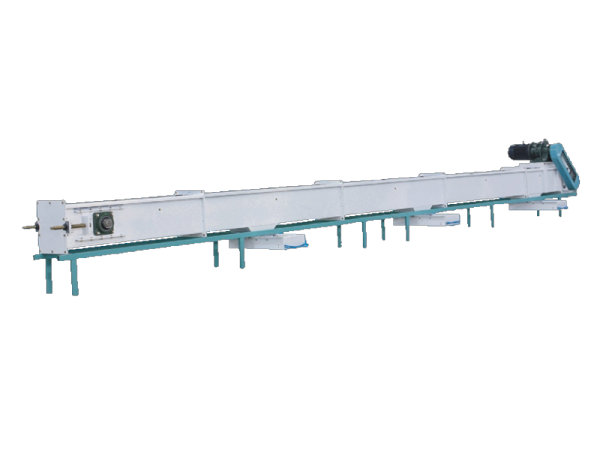
Beyond material removal, scrapers play a pivotal role in protecting conveyor components and extending their service life. Without effective scraping, carryback can accumulate on pulleys and rollers, causing uneven wear, slippage, and belt misalignment—or mistracking—which may lead to belt tearing or premature failure of mechanical parts. For example, polyurethane or tungsten carbide blades, common materials for scraper blades, are designed to fit tightly against the belt without causing damage, balancing cleaning efficiency with belt protection. This protection directly reduces maintenance costs by minimizing the need for frequent component replacement and unplanned downtime.
Scrapers also contribute significantly to operational safety and cost optimization. Spilled carryback can create slippery surfaces around the conveyor, increasing the risk of slips and falls for workers. By keeping the belt clean, scrapers prevent material spillage, maintain a tidy working environment, and reduce the labor required for manual cleaning. Moreover, reducing carryback helps minimize material waste—research indicates that up to 3% of bulk material can be lost daily without proper scraping, a significant loss for high-throughput industries like mining and construction.
The effectiveness of a scraper depends on its type, material, and installation position, which are tailored to specific operational conditions. For instance, polyurethane scrapers are ideal for light to medium-duty applications and delicate belts, while tungsten carbide scrapers are suitable for heavy-duty, high-speed operations with abrasive materials like iron ore or crushed stone. In corrosive environments, stainless steel scrapers or those with anti-corrosion coatings are preferred, while heat-resistant scrapers are used for high-temperature materials such as sintered ore or steel slag.
News
Contact Us
Contact: Venka Industrial Technology
Phone: +86 13663827325
Tel: +86 13663827325
E-mail:
Add: High Technology Area, Zhengzhou, Henan, China